
The Hundred Acre Woods and its Animal Inhabitants
- Tanya T

- Apr 20, 2021
- 3 min read
Updated: May 19, 2021
For this episode of Storytime Science, I decided to look into one of my favourite story lands: the world of Winnie the Pooh. A. A. Milne's beloved stories are set in the Ashdown Forest in England, better known as the Hundred Acre Woods, and star Christopher Robin and his stuffed animals in their daily adventures. These characters have traits that we would generally associate with each respective animal, so I decided to look into how much of this world was actually based on science.
Winnie the Pooh

Winnie the Pooh is one of the world's most famous teddy bears, and is best known for his love of 'Hunny.' Pooh isn't very smart (after all, his head is full of cotton stuffing), but he always finds a way to get the honey he wants. Turns out, this isn't just a cute teddy bear with a sweet tooth! Bears really do eat honey, as well as the bees and larvae for protein. It's also just as addictive as Pooh makes it seem - some bears will even endure electric shocks from fences just to get to the honey! Real bears have a much more well-rounded diet, including fish, seals, plants, and berries, depending on the species and the location. Pooh's love for honey is science-approved!
Rabbit and Owl
The most logical characters are Rabbit and Owl, and they seem to take key traits from the tropes of their real-life counterparts.
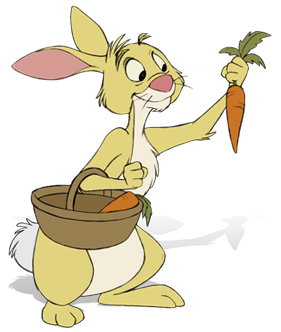
Rabbit is known to think rationally, but he does have times where he getting worried and frustrated. He also likes to maintain control, which is a trait of real-life rabbits too! Pet rabbits can become stressed due to their environment changing in a way they can't control (like changes in temperature), and also have a fear for things such as loud noises - just like Rabbit is afraid of the loud and scary 'Backson.' Rabbit's stressed personality is science-approved!

Owl on the other hand is known for his brain. He's one of the few members of the gang who can read and write (mostly), and he has a taste for fine literature. This is just a fictional trait of owls. In fact, a study showed that great grey owls repeatedly fail simple cognitive tests that other species of birds pass. It's thought that the intelligence association is due to the Greek goddess Athena being portrayed holding an owl, but in other places in the world, such as India, they are seen as foolish. Owl's intelligence is NOT science-approved!
Kanga and Roo
Kanga and Roo are the cutest mother-son duo, and you can always find Roo in Kanga's pouch! Real-life kangaroos mimic the same behaviours, but on a shorter timeline.
The pouch is specific to marsupials, and is seen in animals like koalas, wombats, as well as kangaroos like Kanga!
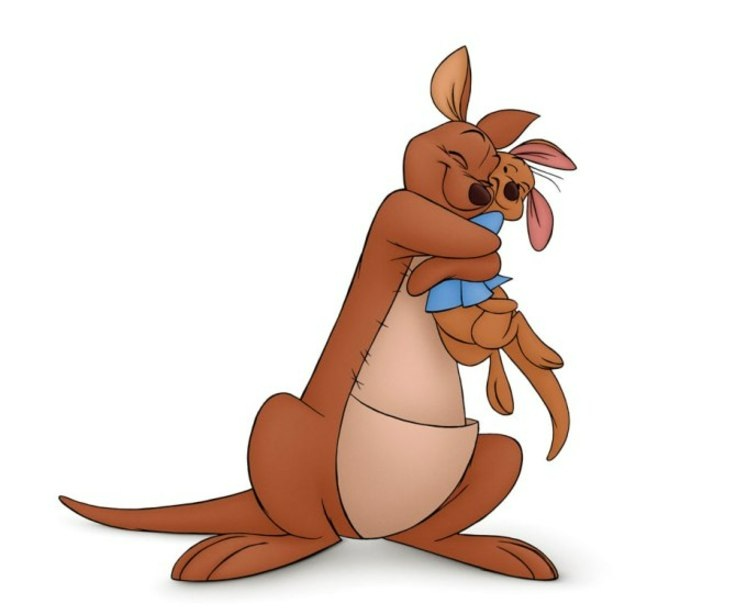
A joey (baby kangaroo) stays in its mother's pouch until it's 6-8 months old (depending on the species), and then it will leave its mom's pouch, only returning to feed for a few months more. Grey kangaroos will stay with their moms for the longest, suckling (i.e. feeding) from their moms until they are around 18 months old. Kanga and Roo's relationship is science-approved!
Winnie the Pooh will always be one of my favourite series, especially in the more recent movies, and knowing which information is based on science makes me appreciate the story a lot more!
Comments